


In Mexico, there are 350 new cases of cystic fibrosis each year. The neonatal screening It is a test to detect this disease before symptoms appear.
However, this It is not a confirmatory test. y It does not detect cystic fibrosis in all patients. In addition, it is important to identify the specific mutation so that appropriate treatment can be determined through other molecular tests.
Cystic fibrosis must be diagnosed and treated from the very first days of life, as patients who do not receive proper treatment may die during childhood or adolescence.
At At Genolife, we perform various molecular tests that can help you detect the disease early.. Here, we'll tell you what they are and help you decide which one to choose.
Cystic fibrosis (CF) is an autosomal recessive disorder that occurs in approximately 1 in 3,500 births. Most patients become symptomatic at birth or shortly after birth; respiratory infections and poor weight gain are the most common symptoms.
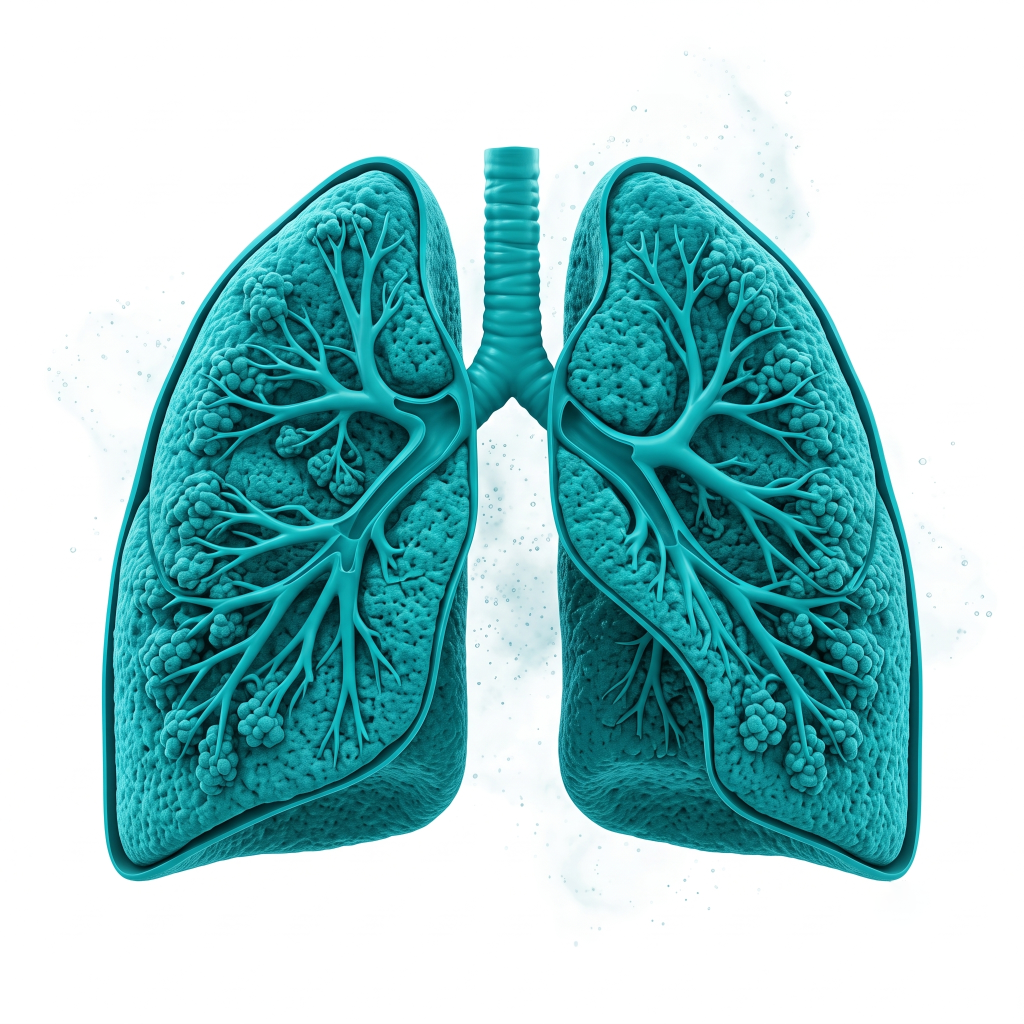
Cystic fibrosis is a multisystemic disease that affects the epithelium of the respiratory tract, the pancreas, the intestine, the hepatobiliary system, and the exocrine sweat glands.
Complications arising from cystic fibrosis include progressive obstructive lung disease with bronchiectasis, frequent hospitalizations due to lung disease, pancreatic insufficiency and malnutrition, recurrent sinusitis and bronchitis, and male infertility. Lung disease is the leading cause of morbidity and mortality in cystic fibrosis.
In recent years, there have been notable improvements in the health of people with cystic fibrosis, and life expectancy has increased substantially; however, this disease continues to limit the survival and quality of life of those who have it.
- A salty taste on the skin; their sweat may contain two to five times as much salt
- Intestinal Obstruction
- Pancreatic insufficiency that usually manifests in early life and may be progressive
- Thick mucus
- Chronic or wheezing cough
- Frequent respiratory infections leading to pneumonia and bronchitis
- Nasal Polyps and Chronic Sinusitis
- Inflammation and Obstruction of the Bile Ducts
- Protrusion of one part of the intestine into another
- Adolescents may experience growth retardation, delayed onset of puberty, and reduced exercise tolerance
- Risk of Dehydration During Episodes of Fever Due to Excessive Sweating
Since 1989, we have known that cystic fibrosis (CF) is caused by mutations in the cystic fibrosis transmembrane conductance regulator (CFTR) gene, which encodes the CFTR protein.
This anion channel, which transports chloride and bicarbonate across the apical membrane of various epithelial cells, regulates the transport of water and ions and maintains the hydration of the epithelial surface.
The release of bicarbonate in the airways is important for the proper production of mucins and for defense against bacteria.
In the intestine, bicarbonate must be released to neutralize gastric acidity and allow pancreatic enzymes to be activated. To date, more than 2,000 mutations different from CFTR y F508del It is, by far, the most common.
Neonatal screening and chlorine in sweat
Cystic fibrosis is now recognized as a major genetic disease worldwide. Diagnosis is primarily made through the Neonatal Cystic Fibrosis Screening.
The neonatal screening test for cystic fibrosis detects elevated levels of immunoreactive trypsinogen (IRT) in the newborn's blood. It is not a diagnostic test; therefore, a positive result requires confirmation with diagnostic tests: Chlorine in sweat or molecular analysis.
It's still important to be aware of FQ, because the Neonatal screening does not detect cystic fibrosis in all patients and it is possible that the disease may not manifest until adulthood. In addition, a molecular analysis is essential, since identifying the patient’s CFTR mutations paves the way for personalized therapy.
The discovery of the cystic fibrosis regulator gene (CFTR) has transformed the lives of patients with cystic fibrosis by leading to a treatment that can prevent serious complications if started early in childhood or as soon as possible after diagnosis.
At Genolife We offer the following tests to aid in the timely diagnosis of cystic fibrosis in patients who have the disease or in patients suspected of being carriers of the related gene:
This test is primarily used to diagnose cystic fibrosis through a targeted analysis for pathogenic CFTR variants.
Note:
-The panel recommended by the American College of Medical Genetics includes the 23 pathogenic variants and has a detection rate of 97% in Eastern European Jews, 88.3% in non-Hispanic whites, 69.1% in African Americans, and 57.1% in Hispanic Americans; the detection rate in Asian Americans is unknown.
-A panel that includes more than 129 pathogenic variants would detect approximately 96% of the pathogenic variants in affected individuals.
CFTR sequence analysis, followed by a gene-specific deletion/duplication analysis, is performed if only one pathogenic variant is found or if none are found.
Note:
It is the initial diagnostic test for:
-Individuals from an ethnic group for whom the sensitivity of the targeted analysis is low.
-Prenatal testing for a high-risk fetus.
-Prenatal testing in a low-risk fetus with an echogenic bowel identified on a prenatal ultrasound.
-A baby with an elevated IRT test result in the newborn screening and a sweat chloride level of 30–59 mEq/L (intermediate result).
-A symptomatic infant (e.g., an infant with meconium ileus) who is too young to produce adequate amounts of sweat.
Exome sequencing It allows us to identify which mutations are present throughout the genome.
It is a powerful tool which allows us to analyze our genetic code since its goal is to obtain as much genetic information as possible from a patient, by searching for genetic variants throughout the approximately 20,000 genes that make it up.
One of the greatest advantages of this technique is that it helps us accurately detect any genetic abnormalities that could have a direct impact on our quality of life.
Although it is more expensive, it provides us with much more information than the previous tests, as it allows for the detection of variants related to this disease and others. Sometimes it is more costly to undergo individual tests to obtain an accurate diagnosis of the disease, and this test can spare us from the infamous diagnostic odyssey.
- Improved molecular genetic testing has made it possible to diagnose cystic fibrosis, as well as to identify individuals with nonclassical presentations of cystic fibrosis and related disorders.
- Identifying the mutations in the CFTR gene associated with disease manifestations is a priority for guiding decisions regarding patient follow-up and treatment.
- There is no definitive cure for cystic fibrosis; however, the FDA has approved medications that consist of a combination of compounds that, on the one hand, increase the amount of CFTR protein on the cell surface and, on the other hand, enhance the protein’s function. The use of drugs has also been approved for certain mutations in the CFTR gene that cause cystic fibrosis.