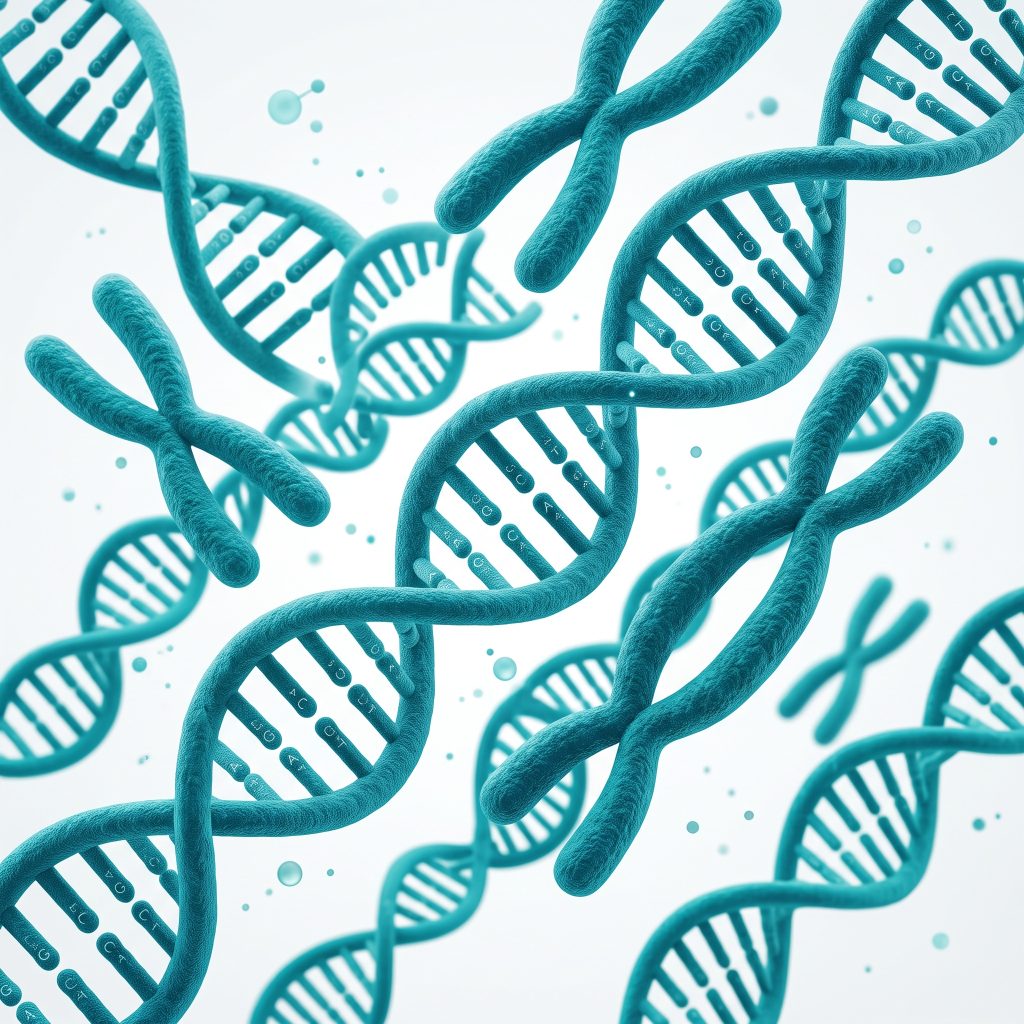
It was reported that the DNA It was organized into genes—units containing essential information that can be turned on and off to perform a specific cellular function.
Thus, if the cell needs to grow, the growth genes are activated; or if energy is needed, the genes that release sugar into the bloodstream are activated.
Likewise, during the stage embryonic, if a group of cells is required to develop into neurons, the genes involved in neuron formation will be activated, and those that could lead to the formation of other cell types—such as the genes responsible for muscle cell formation, for example—will be turned off.
The epigenetics It focuses on studying the mechanisms that turn genes on and off. This field of study also allows us to understand other interesting phenomena, such as, Why do the Do twins become different from one another over time? Why do we age? Or even, Why haven't we found a cure yet? against cancer?
There is certainly much more to discover and learn about this field of study, but for now, I encourage you to read a little more and discover the wonders hidden within our cells.