Genolife

How Cancer Spreads (Metastasis)

Cancer is a process of uncontrolled growth and spread of cells which can appear virtually anywhere in the body. The tumor usually invades the surrounding tissue and, over time, can metastasize to distant parts of the body.

According to the World Health Organization, between 30% and 50% of all cancers can be prevented by adopting healthy habits—such as avoiding tobacco—and through public health measures. In addition, many other types of cancer can be detected, treated, and cured if identified early.

90%

The Global Cancer Observatory It is estimated that 90% of cancer deaths are due to metastasis: the spread of the disease to other parts of the body, driven by cells that break away from the primary tumor and travel through the body.

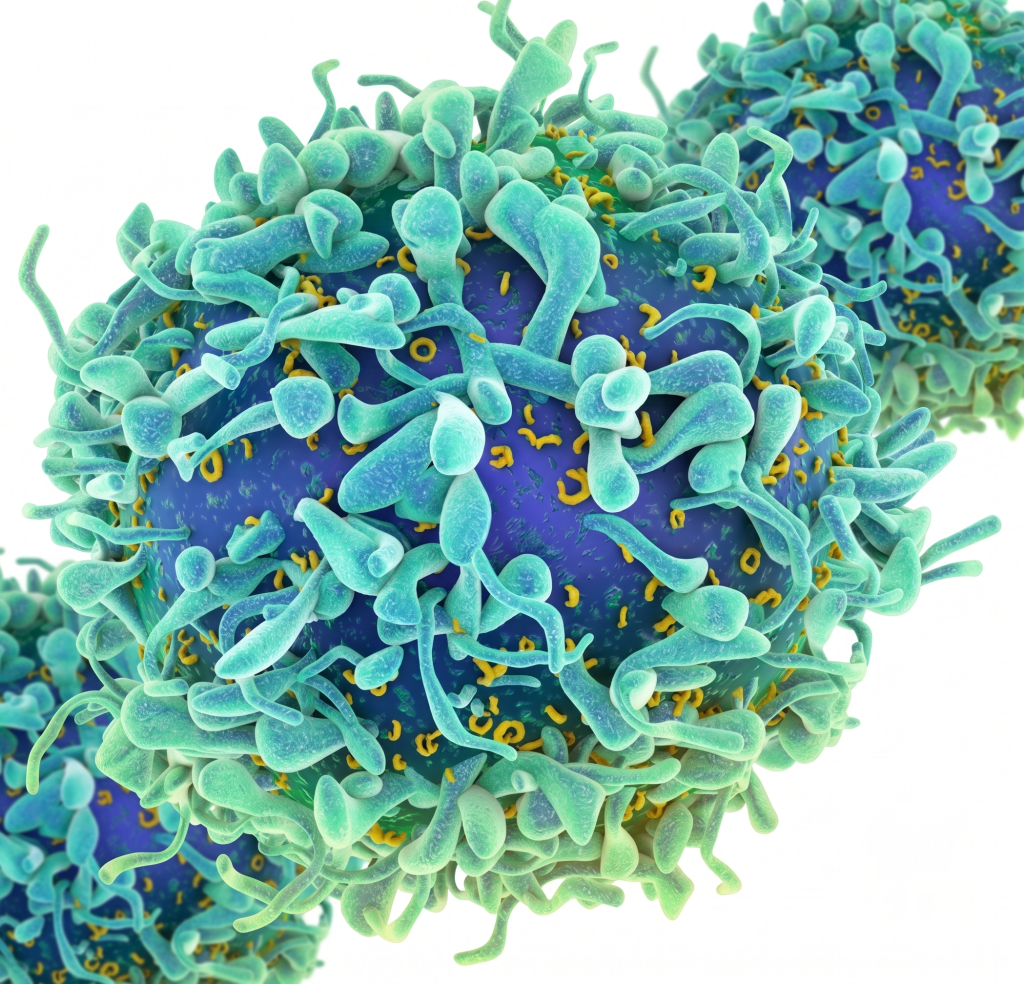
These cells are known as circulating tumor cells (CTCs). They break away from the original tumor, travel through the lymphatic system and the bloodstream, and reach distant organs, where they act as “seeds” for the growth of new tumors.
The Clinical Significance of CTCs

Circulating tumor cells are part of the metastasis process that leads to disease progression. Therefore, Detecting CTCs in the blood is a key factor to determine a person's baseline condition and assess how they respond to treatment over time.

The detection and counting of CTCs have demonstrated significant clinical utility in predicting the prognosis of cancers of breast, colorectal, and prostate. Prospective multicenter studies have linked its presence to lower progression-free survival and lower overall survival.

What is the OncoCell liquid biopsy?
PET/Computed Tomography (CT) is the gold standard for identifying tumors in the body. However, iodine-based contrast agents can cause side effects—such as nausea, vomiting, headache, itching, or mild rashes—and many patients cannot tolerate repeating the test multiple times.
A minimally invasive alternative

Liquid Biopsy OncoCell It requires only a very small amount of blood, so it can be safely repeated at various times: during the initial screening, before and after surgery, after chemotherapy, and during follow-up care.

By quantifying the circulating tumor cells present in the patient's blood, OncoCell It serves as an objective benchmark for monitoring disease progression and treatment effectiveness in real time.

In short, it is a powerful tool that helps us understand how cancer spreads and how well the treatment is working—all with the convenience of a simple blood test.


Are you interested in the OncoCell liquid biopsy?
Schedule an appointment with our specialists.